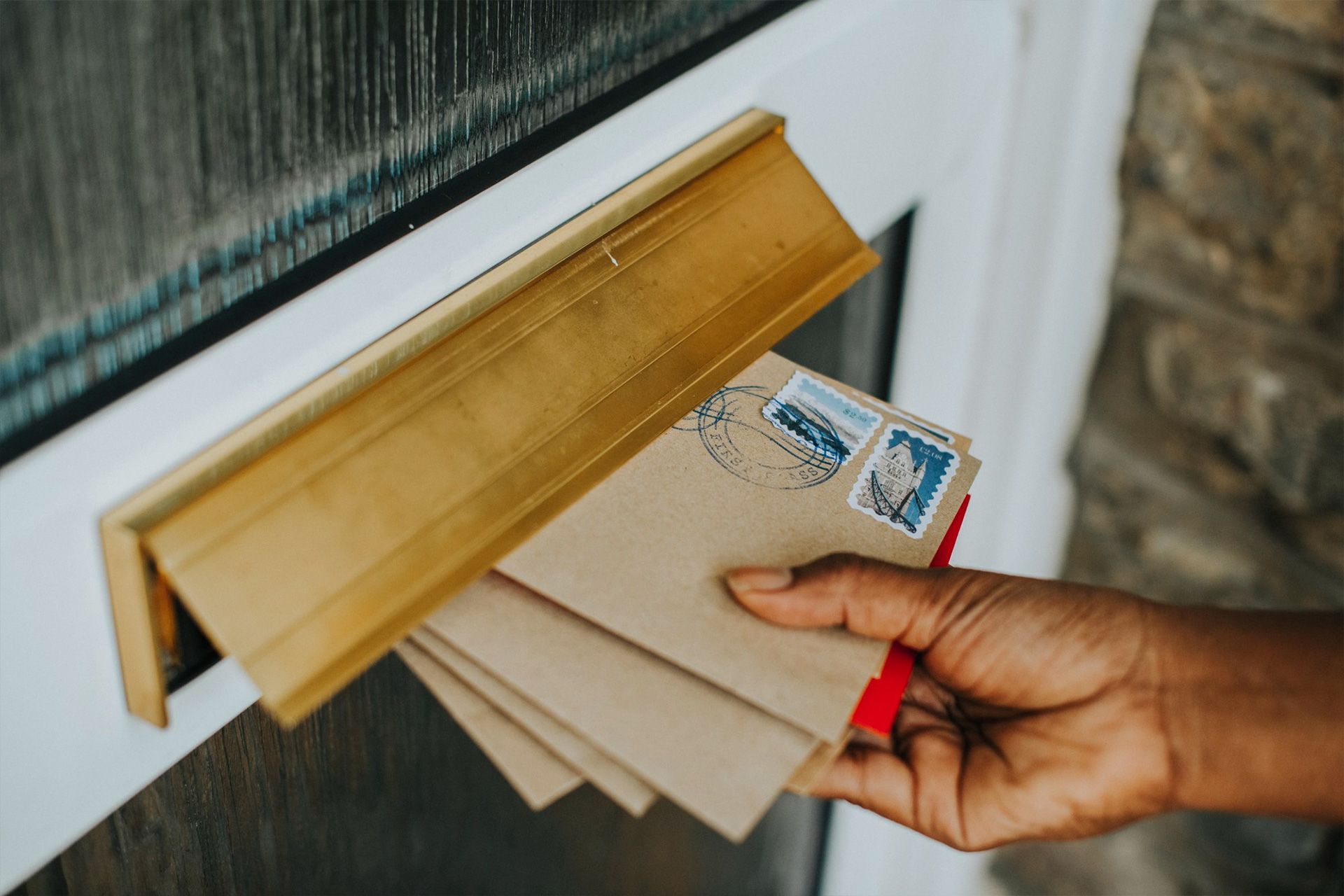
How This New Mail Rule Could Affect Your Ballot and Tax Return
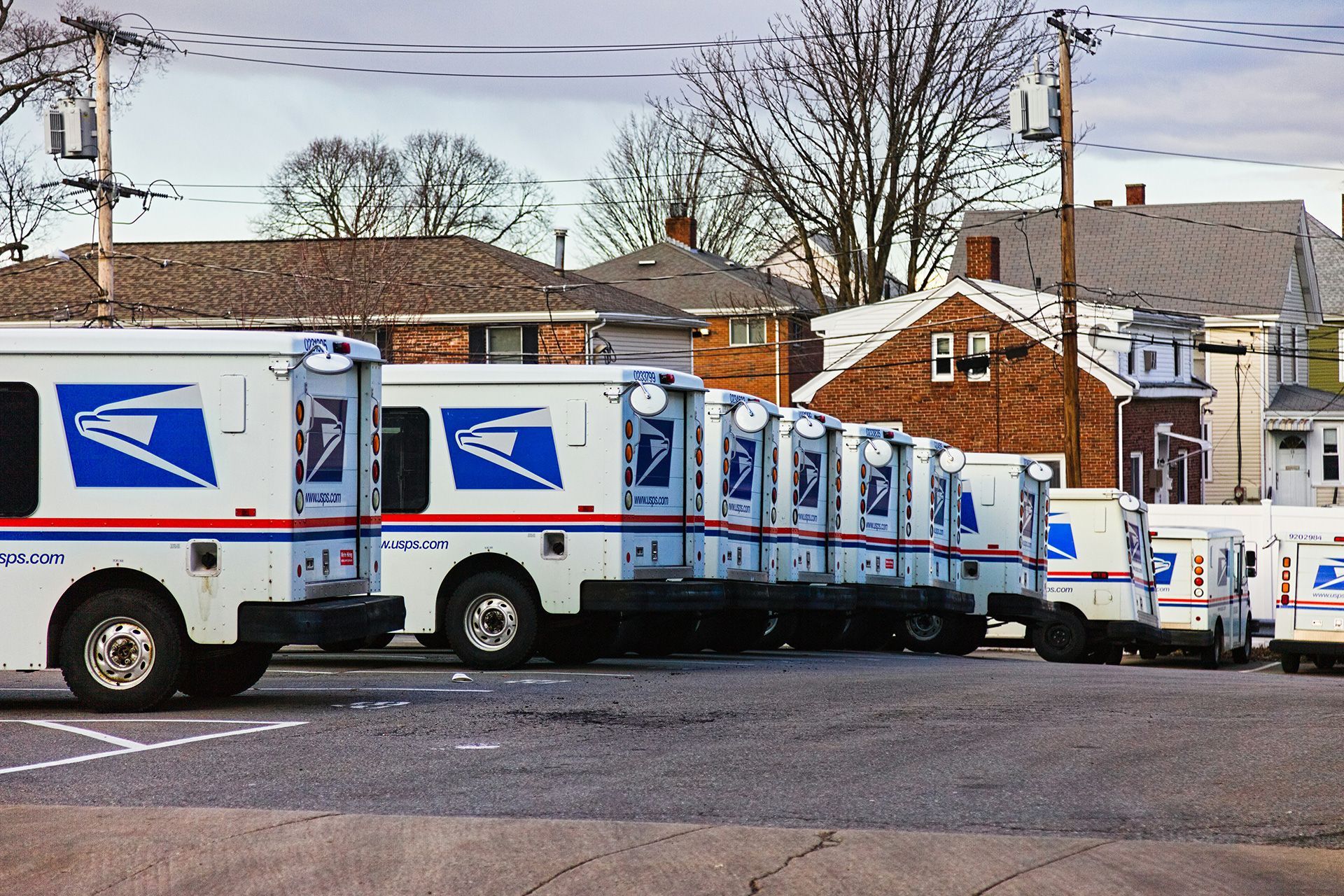
A change in how the U.S. Postal Service explains postmarks has raised an important question for anyone sending time-sensitive documents by mail. The date printed on an envelope may not always match the date USPS first received the mailpiece.
That difference matters when a deadline depends on a postmark. Federal tax returns are one clear example. Election mail can also be time-sensitive, although voting rules vary by jurisdiction.
The USPS Mail Processing Changes are not a sudden switch in how every letter is handled. Instead, USPS clarified how postmarks work while acknowledging that transportation changes may make later postmark dates more common.
What Changed With USPS Postmarks?
USPS added a new section to its Domestic Mail Manual, effective December 24, 2025. It explains what a postmark is, where it may be applied, and what date it represents.
If USPS applies a postmark at a retail counter, it generally shows the date the mailpiece was accepted there. If automated equipment applies it at an originating processing facility, it shows the date of the first automated processing operation.
USPS says the basic postmarking process hasn't suddenly changed. The key clarification is that a processing facility postmark can be dated later than the day USPS first accepted the envelope.
Why USPS Mail Processing Changes Matter
Many people assume that dropping an envelope at a Post Office or collection box automatically gives it that day's postmark. That is not always true.
A letter may enter USPS possession on Monday but not reach an originating processing facility until Tuesday. If automated equipment applies the postmark, the envelope may show Tuesday.
For ordinary mail, a one-day difference may not matter. For a legal or tax deadline, it can be important. USPS also does not postmark every mailpiece in normal operations.
Why Ballots Became Part of the Discussion
Election mail is one reason this USPS clarification received national attention. Some election systems rely on postmark dates when applying their own rules to mailed election materials.
No single nationwide ballot mailing rule applies in every jurisdiction. Deadlines and postmark requirements can differ. Anyone seeking current ballot procedures should therefore consult the official election authority for the relevant jurisdiction.
The broader lesson is simple: when a legal deadline depends on a postmark, the processing date may not always match the date the mail first entered USPS possession.
How the Rule Affects Paper Tax Returns
Federal law includes the rule commonly described as "timely mailed, timely filed." A paper tax return that reaches the IRS after its due date may still be treated as timely when the mailing requirements are satisfied.
In general, the envelope must be properly addressed, have enough postage, and be deposited with USPS or an approved private delivery service on or before the deadline. For postal mail, the postmark can become key evidence.
That is why USPS Tax Return Mailing Rules deserve extra attention. A taxpayer who drops a return in a collection box on the filing deadline may believe the date is protected. If the return is processed the next day, the visible postmark may show a later date.
The IRS Taxpayer Advocate Service warned taxpayers in 2026 that this difference can create a filing problem when the postmark is later than expected.
A Simple Filing Example
Suppose a taxpayer must file by April 15. The taxpayer completes the return that afternoon and places it in a collection box after the final scheduled pickup.
USPS may not collect the envelope until April 16. It then moves to a processing facility, where the automated postmark is applied. The visible date may therefore be April 16.
The taxpayer may believe they mailed the return on April 15, but the postmark may suggest otherwise. Other evidence may still matter, but waiting until the final day creates avoidable uncertainty.
Safer Ways to Mail a Tax Return
Taxpayers who need to file on paper can take practical steps to create stronger proof of the mailing date.
- Use a staffed USPS counter near a deadline. USPS allows customers to request a manual local postmark on eligible mail. A retail postmark reflects the date USPS accepts the item at the counter.
- Keep reliable proof of mailing. Certified Mail, Registered Mail, and certain other services can create dated records. Keep the receipt, tracking information, and a copy of the return.
- Consider an approved private delivery service. The IRS recognizes specific services from designated private carriers. Confirm the approved service and correct delivery address before sending tax documents.
These steps can reduce uncertainty under current USPS Tax Return Mailing Rules.
Electronic Filing Avoids the Physical Postmark Issue
Electronic filing removes the need to rely on a physical postmark. IRS electronic filing rules determine whether an electronically filed federal individual return is timely based on the transmission and acceptance process.
Electronic filing also provides an acknowledgment showing whether the IRS accepted the return. Paper filing remains necessary in some situations, but taxpayers should not rely solely on an automated postmark.
What If the IRS Says Your Return Was Late?
If the IRS sends a notice saying a return was late, compare it with your mailing records. Helpful documents may include:
- A postal receipt and tracking history
- A copy or image of the postmarked envelope
- A complete copy of the filed return
- Records from a designated private delivery service
- IRS correspondence showing the received date
The IRS recognizes certain statutory exceptions when a taxpayer mailed a return on time but later received a penalty. Whether relief is available depends on the facts and evidence. A tax attorney can review the notice and mailing records before you submit a response.
What the New Rule Does Not Mean
The new USPS language can be misunderstood.
First, USPS has not said that every letter will receive a delayed postmark. The agency says its basic practices remain the same.
Second, the clarification does not eliminate ways to document acceptance. USPS still allows manual postmarks at retail counters and offers services that can provide mailing evidence.
Third, USPS Mail Processing Changes do not change federal tax law. The postal issue mainly affects the date that may appear on the envelope and the evidence taxpayers should preserve.
How Taxpayers Can Prepare
The simplest strategy is to create extra time before a paper filing deadline.
Verify the filing date and correct IRS mailing address for the form. Prepare the return early enough that postal processing does not become the deciding issue. If filing close to the deadline is unavoidable, use a staffed counter and keep proof of mailing for better documentation.
Also remember that an extension to file generally does not extend the time to pay tax that is due. Treat filing and payment deadlines separately.
Understanding USPS Tax Return Mailing Rules before mailing is easier than proving the mailing date after an IRS notice arrives.
Conclusion
The new USPS language clarifies postmark practices; it does not create a completely new mailing system. A processing facility postmark can show the date of automated processing rather than the day USPS first accepted the item, and transportation changes may make that gap more common.
For taxpayers, the practical response is to file early when possible, preserve proof of mailing, use a retail counter when the date matters, or file electronically when appropriate.
Law Office of Mary E. King, P.L. assists individuals and businesses with federal tax filing disputes, IRS notices, penalties, and questions about whether a return or payment was filed or made on time.
If a postal delay or postmark issue has created an IRS problem, our team can review the available records, explain the applicable tax rules, and help you understand your response options.
Contact us to schedule a consultation about an IRS filing or tax dispute.
Frequently Asked Questions
Did USPS Change the Way Every Letter Is Postmarked?
No. USPS says its underlying postmarking practices have not changed. The newer language formally explains that a processing facility postmark reflects the date of the first automated processing operation.
Can a Paper Tax Return Be Considered Late Because of a Later Postmark?
Yes, a later postmark can create a timeliness issue. The final result depends on the mailing method, the available evidence, and the applicable federal rules.
Can I Request a Same-Day USPS Postmark for a Tax Filing?
USPS allows customers to request a manual local postmark on eligible mail presented at a retail counter. This can provide clearer evidence of the acceptance date.
Does Electronic Filing Avoid This Problem?
Yes. Electronic filing does not depend on a physical USPS postmark. Separate IRS electronic filing rules determine whether the return was timely.
What Records Should I Keep When Mailing a Tax Return?
Keep a full copy of the return, postal receipts, tracking information, and any record showing the postmark or acceptance date. These documents may be useful if the IRS later questions the filing date.
Disclaimer: The information on this website and blog is for general informational purposes only and is not professional advice. We make no guarantees of accuracy or completeness. We disclaim all liability for errors, omissions, or reliance on this content. Always consult a qualified professional for specific guidance.
Search
Recent Posts