

USPS Postmark Changes: New Rules That Could Delay Mailed Tax Returns
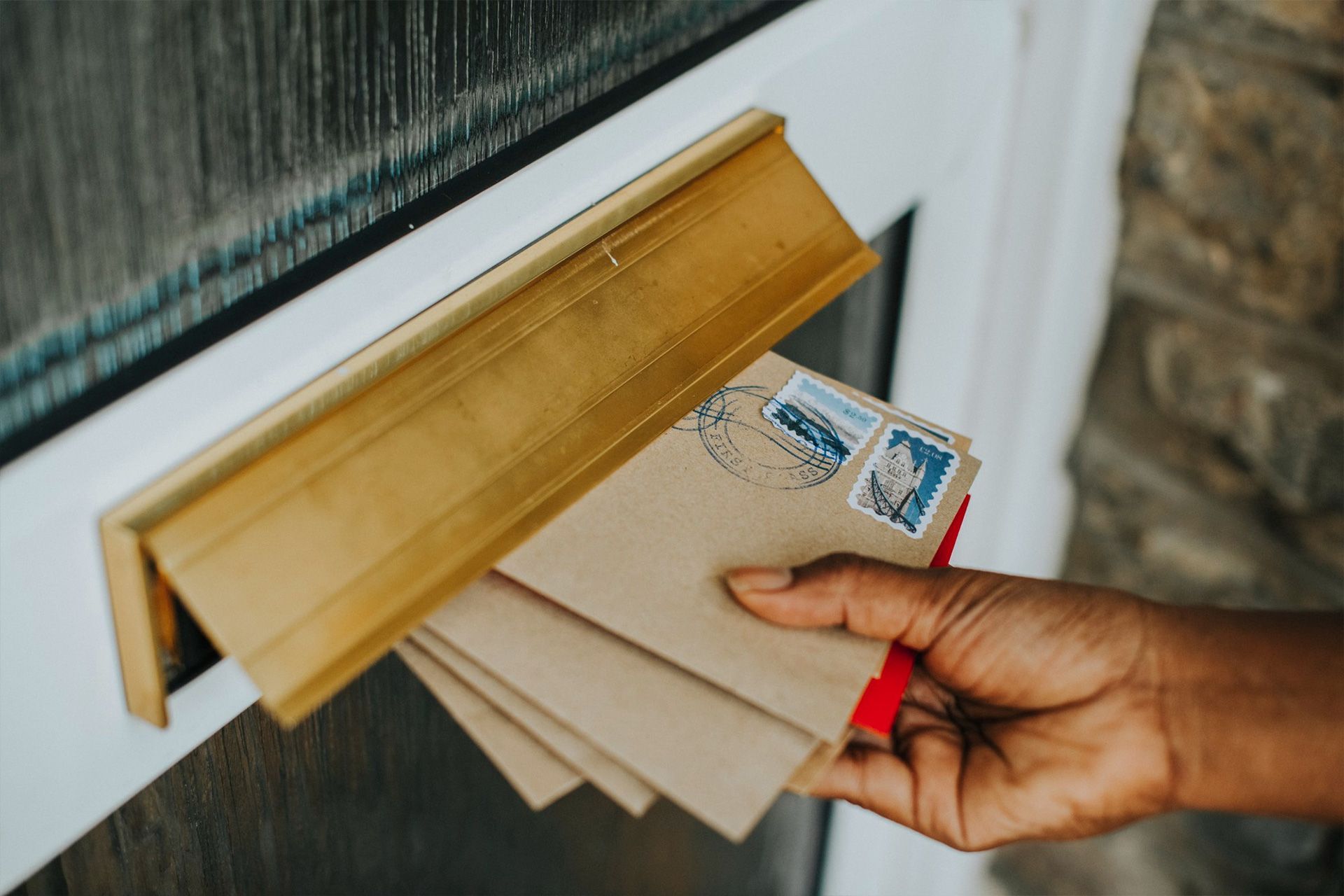
Mailing a tax return may seem simple, but the date printed on the envelope can matter as much as the mailing date. Recent USPS guidance makes clear that a postmark applied at a processing facility may show the date of automated processing, not the date USPS first accepted the envelope.
The USPS postmark changes matter most when a taxpayer mails a return close to a deadline. A return dropped into a mailbox on the due date may not reach an originating processing facility until the next day. If that happens, the postmark could show a later date, creating a filing dispute.
This guide explains what changed, why the postmark matters, and how to reduce the risk when sending mailed tax returns.
What Changed With USPS Postmark Rules?
USPS added new language to its Domestic Mail Manual effective December 24, 2025. The new language explains what a postmark means, where it may be applied, and how the postmark date relates to postal possession.
USPS also said it did not change its basic postmarking practices. Automated equipment already applied most postmarks at originating processing facilities. What changed is the formal explanation of that process and the warning that the postmark date may not match the day a customer first gives the mail to USPS.
That difference can become more common as transportation routes and processing operations change. Some mail may take additional time to move from a local collection point to a processing facility.
The USPS postmark changes therefore create a practical issue for taxpayers: depositing an envelope on the due date does not automatically guarantee a same-day postmark.
Why the IRS Cares About the Postmark Date
Federal tax law generally follows the rule known as “timely mailed is timely filed.” For many paper filings, a return can still be treated as timely even if the IRS receives it after the deadline, as long as the envelope is properly addressed, has enough postage, and carries a qualifying postmark dated on or before the due date.
That makes the postmark more than a postal detail. It can help determine whether a filing was timely.
For example, suppose a taxpayer must file by April 15. The taxpayer places the return in a blue collection box late on April 15, after the final pickup. USPS collects it on April 16, and it receives an April 16 postmark during automated processing. The taxpayer may then need to explain why the return should not be treated as late.
This is why paper filers should not rely only on the day they personally placed the envelope in a mailbox.
Why a Postmark May Be Later Than the Mailing Date
Most ordinary letters are not postmarked the moment USPS takes possession. They may first travel from a mailbox, local Post Office, or carrier route to an originating processing facility.
Several factors can affect when that happens:
- Pickup schedules: Mail deposited after the final collection can remain at the location until the next pickup.
- Weekends and holidays: A Saturday mailing sent before a Monday holiday may not be processed automatically until a later day.
- Distance from processing facilities: Mail originating farther from a regional processing center can take longer to reach the equipment that applies the postmark.
The important point is that physical possession and automated processing are different events. The date printed on the envelope may reflect the second event.
Safer Ways to Mail a Tax Return
If electronic filing is unavailable or you prefer paper filing, a few simple steps can help reduce uncertainty.
Use a Staffed USPS Counter
When a filing deadline is close, take the envelope to a postal retail counter. Ask for a manual postmark that shows the date USPS accepts the mailpiece. USPS says customers can request this service on eligible mail.
Using a counter gives you more control than placing the envelope in an unattended collection box.
Keep Proof of Mailing
Certified Mail and Registered Mail provide mailing receipts. A Certificate of Mailing can also document the date USPS accepted an item. IRS rules give certain postal records special value when proving the mailing date.
Keep receipts, tracking information, and a complete copy of the tax filing with your records.
Mail Early
Sending the return several days before the deadline remains one of the simplest ways to reduce risk. Early mailing gives the envelope time to reach processing before the due date.
These precautions are particularly important for mailed tax returns sent during busy filing periods.
Electronic Filing Avoids the Postmark Problem
When electronic filing is available, taxpayers do not have to depend on postal transportation or postmark timing.
For an electronically filed individual return, IRS guidance states that the date and time, in the taxpayer's time zone, at which the return is transmitted determines whether the filing is timely. The taxpayer later receives an electronic acknowledgment.
Electronic filing also gives taxpayers a transmission record, rather than leaving them dependent on a physical envelope.
Not every federal filing can be submitted electronically, so taxpayers who must use paper should plan their mailing method carefully.
Can You Use a Private Delivery Service?
The IRS allows certain services from approved private delivery companies to qualify under the timely mailing rule. Not every service offered by a private carrier qualifies, so taxpayers should check the current IRS list before sending a tax document.
Approved private carriers can provide written proof of the mailing date. Because they generally cannot deliver to IRS Post Office boxes, verify the correct IRS street address before sending the package.
A Simple Deadline Example
Imagine a taxpayer finishes a return on the evening before the deadline and puts the envelope into a nearby collection box after the final pickup. The envelope is collected the next day and reaches automated processing after the filing deadline.
The taxpayer may believe the return was mailed on time, but the envelope could carry a later postmark.
Now imagine the taxpayer instead takes the return to a postal counter before closing, requests an appropriate manual postmark, and keeps a dated mailing receipt. The taxpayer now has a clearer record of what happened.
This example shows why procedure matters when you mail filings close to a deadline.
What to Check Before Sending Your Return
Before placing a federal tax filing in the mail, review these points:
- Confirm the correct IRS address for the specific return and your circumstances.
- Check the actual filing deadline.
- Make sure the envelope has sufficient postage.
- Avoid waiting until the last collection of the deadline day.
- Use a staffed counter and obtain suitable proof if time is short.
- Keep copies of the return, attachments, envelope information, and postal records.
A few minutes of preparation can provide valuable documentation if the IRS later questions when you filed the return.
What If the Postmark Is After the Deadline?
If you believe you mailed a return on time but the postmark shows a later date, save every record connected with the mailing. Useful records may include postal receipts, tracking information, envelope copies, and correspondence.
Do not assume that every receipt automatically overrides a late postmark. The result may depend on the type of postal service used and the federal rule that applies to the filing.
If the IRS sends a late filing notice or assesses a penalty, read the notice carefully and respond by the stated deadline. A tax professional can review the evidence and determine whether a response, request for relief, or other action is appropriate.
Conclusion
USPS did not announce a completely new way of postmarking every letter. Instead, its updated rules explain that a processing facility postmark can reflect the date of automated processing rather than the day USPS first accepted the mail. Changes in transportation may make differences between those dates more noticeable.
Taxpayers can reduce the risk by planning ahead. Keep proof of mailing and choose electronic filing when possible.
Florida Tax Lawyers helps individuals and businesses address federal tax filing concerns, IRS notices, filing disputes, penalties, and other tax compliance matters. If a delayed postmark leads the IRS to question whether you filed on time, our team can review your mailing records, IRS correspondence, and filing history to help you understand your response options and key deadlines.
Contact us today to schedule a consultation and discuss your IRS filing or tax dispute concerns.
Frequently Asked Questions
Did USPS Change How Every Piece of Mail Is Postmarked?
No. USPS says its underlying postmarking practices have not changed. The USPS postmark changes clarify that a processing facility postmark may carry a different date from the day USPS first accepted the envelope.
Can I Mail My Return on the Filing Deadline?
Yes, but mailing on the final day creates more timing risk. Using a staffed postal counter and obtaining appropriate proof is safer than relying on a collection box.
Does Certified Mail Help With Tax Filing Proof?
Yes. Certified Mail provides a mailing receipt, and federal tax rules give properly postmarked certified mail receipts specific evidentiary value in establishing the mailing date.
Are Mailed Tax Returns Late if the IRS Gets Them After the Due Date?
Not necessarily. A qualifying return may still be timely if it is properly addressed, has enough postage, and carries a postmark dated on or before the deadline.
What Should I Do if the IRS Says My Paper Return Was Late?
Keep all postal records and read the IRS notice carefully. The available response depends on your mailing method, evidence, filing type, and the deadline shown in the notice.
Disclaimer: The information on this website and blog is for general informational purposes only and is not professional advice. We make no guarantees of accuracy or completeness. We disclaim all liability for errors, omissions, or reliance on this content. Always consult a qualified professional for specific guidance.
Search
Recent Posts